Work and Power
Calculate work done by forces and the rate of energy transfer using power
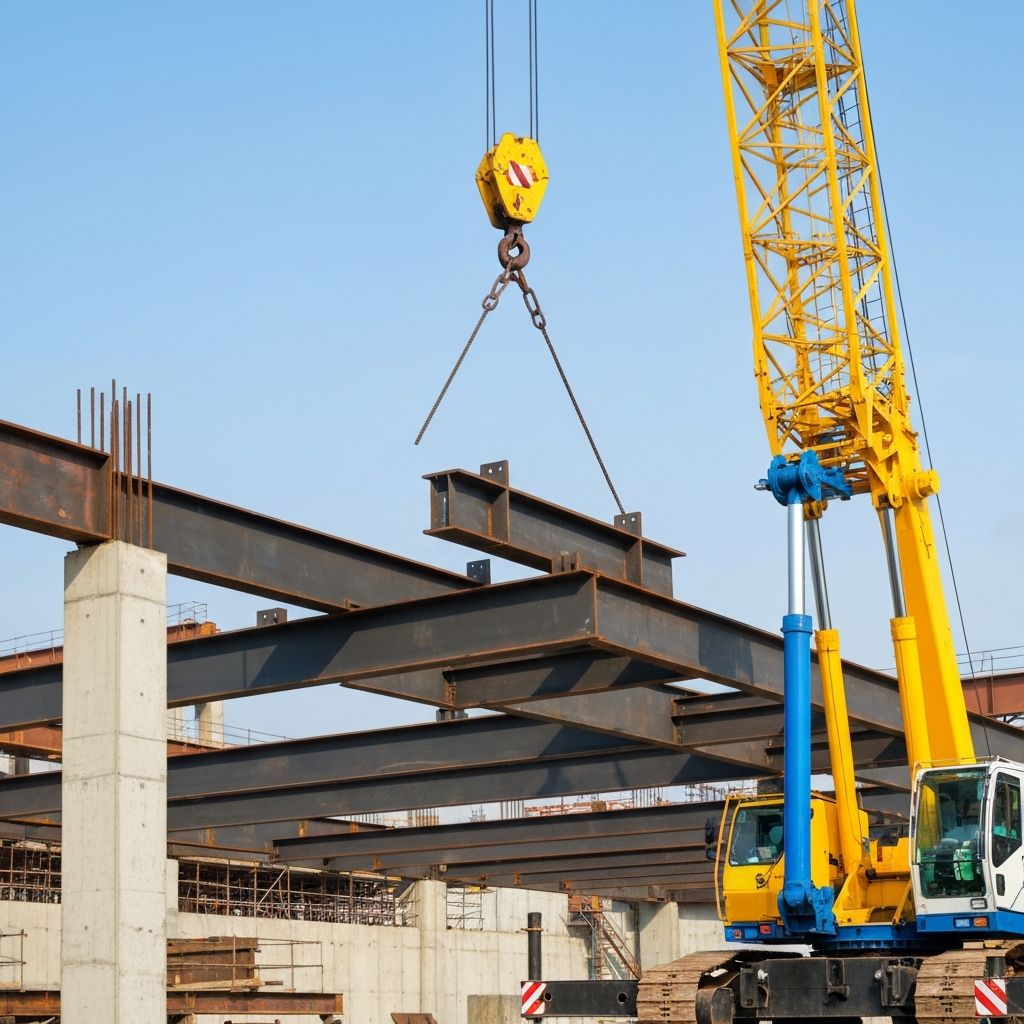
Doing Work
Forces transferring energy
In physics, work is done when a force causes an object to move. Work is the energy transferred by the force. If the object doesn't move, no work is done, even if you're pushing hard.
Work = Force × Distance
W = F × s
The SI unit of work is the Joule (J). One joule is the work done when a force of 1 Newton moves an object 1 metre in the direction of the force.
Work is only done when the force is in the direction of movement. If you carry a bag horizontally, the upward force you apply does no work on horizontal motion (but it does work against gravity).
Work against gravity: When lifting an object, you do work against gravitational force. The work done equals the gravitational potential energy gained:
W = mgh
where m = mass, g = 10 N/kg, h = height
Work by friction: Friction opposes motion and removes energy from a system, converting kinetic energy into thermal energy (heat). This is why brakes get hot when stopping a car.
Power measures how quickly work is done or energy is transferred:
Power = Work ÷ Time
P = W / t or P = E / t
The SI unit of power is the Watt (W), where 1 W = 1 J/s (one joule per second). Higher power means faster energy transfer.
For electrical power: P = V × I (voltage × current), and also P = I²R and P = V²/R.
Example
A motor does 500 J of work in 5 seconds.
Power = 500 J ÷ 5 s = 100 W
- Engines: Rated in kilowatts (kW), indicates how quickly they convert fuel energy to kinetic energy
- Light bulbs: 60 W bulb uses 60 J of electrical energy per second
- Electric motors: High power motors can lift heavy loads quickly
- Athletes: Sprinters have high power output (large energy transfer in short time)
Work Done (W = F × s)
500.00 J
Formula: W = F × s
Calculation: 50 N × 10 m = 500.00 J
Work
Question:
A crane lifts a 200 kg load to a height of 15 m in 30 seconds. Calculate (a) the work done and (b) the power of the crane. (g = 10 N/kg)
Answer:
(a) Work done:
W = mgh
W = 200 kg × 10 N/kg × 15 m
W = 30,000 J (30 kJ)
(b) Power:
P = W ÷ t
P = 30,000 J ÷ 30 s
P = 1,000 W (1 kW)
The crane transfers energy at a rate of 1000 joules per second while lifting the load.
A force of 20 N pushes an object 5 m. How much work is done?