Genetic Modification and Genetic Engineering
Understanding genetic modification and its applications in agriculture and medicine
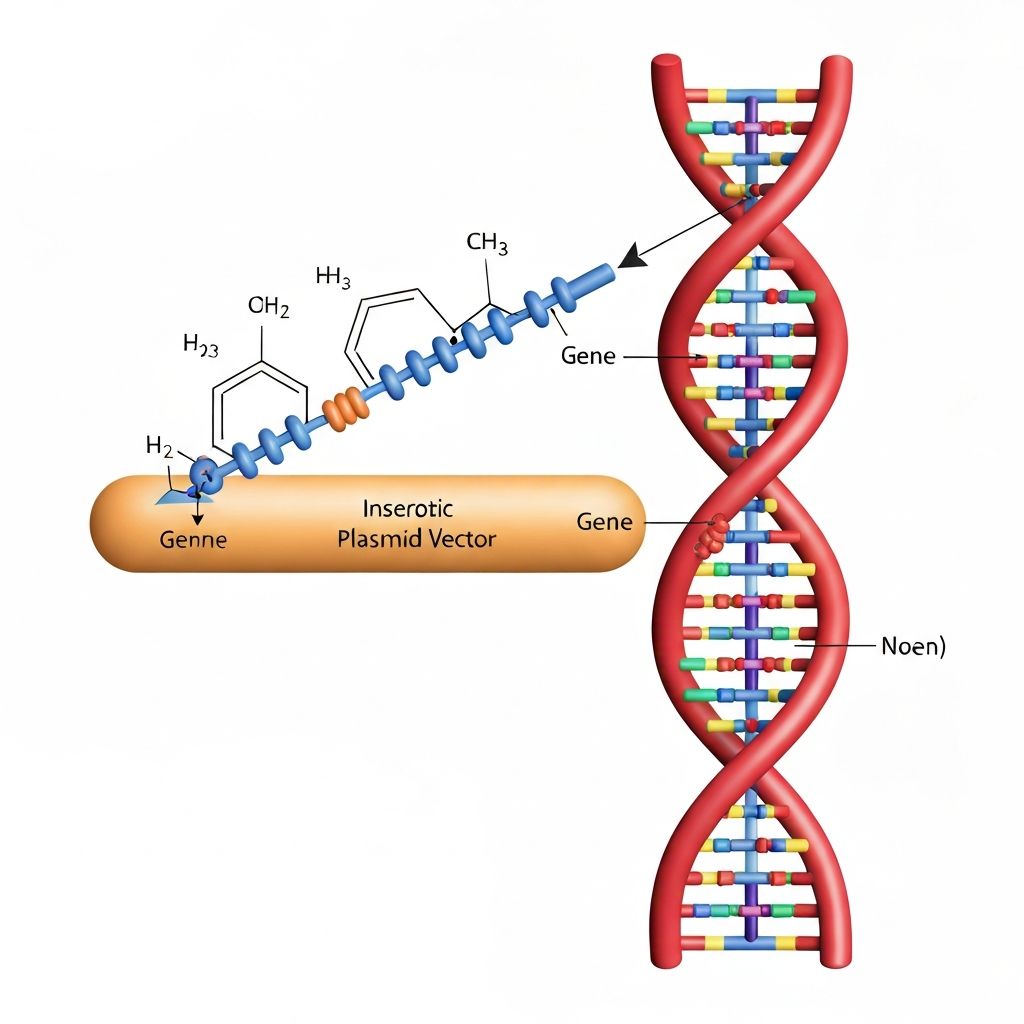
Precise Gene Manipulation
From gene isolation to organism transformation
Genetic modification (GM) involves directly altering an organism's DNA by inserting, deleting, or modifying specific genes. Unlike selective breeding, which relies on naturally occurring genetic variation, genetic engineering can introduce genes from completely different species, creating combinations impossible through traditional breeding methods. This technology allows scientists to give organisms new characteristics within 1-2 years rather than the decades required by selective breeding.
The genetic engineering process follows several key steps to successfully transfer genes between organisms:
Identify Gene
Locate the gene that produces the desired trait in the donor organism
Isolate DNA
Use restriction enzymes to cut out the specific gene from donor DNA
Insert into Vector
Place the gene into a plasmid or virus that can carry it into cells
Transform Organism
Introduce the vector into target cells and verify gene expression
Genetic modification has revolutionized agriculture by creating crops with enhanced characteristics that would be impossible or take decades to achieve through selective breeding.
Herbicide Resistance
Crops modified to tolerate glyphosate herbicides allow farmers to control weeds without harming crops, reducing the need for tilling and preserving soil structure.
Pest Resistance
Bt crops contain genes from Bacillus thuringiensis bacteria that produce toxins harmful to specific insects but safe for humans, dramatically reducing pesticide use.
Enhanced Nutrition
Golden rice contains genes that produce beta-carotene (vitamin A precursor), addressing vitamin A deficiency in developing countries where rice is a staple food.
Disease Resistance
Crops engineered to resist viral, bacterial, or fungal diseases maintain higher yields and require fewer chemical treatments.
Genetic engineering has transformed medicine by enabling production of human proteins and developing new treatments for genetic disorders.
- •Insulin Production: GM bacteria and yeast produce human insulin for diabetes treatment, replacing animal-derived insulin that could cause allergic reactions
- •Human Growth Hormone: GM bacteria produce pure human growth hormone to treat deficiency conditions
- •Gene Therapy: Experimental treatments insert functional genes into patients' cells to correct genetic disorders like SCID (bubble boy disease)
- ✓Much faster than selective breeding (1-2 years vs 10+ years)
- ✓Can transfer genes between completely different species
- ✓Precise control over which genes are added or modified
- ✓Increased crop yields to feed growing populations
- ✓Reduced need for pesticides and herbicides
- ⚠Unknown long-term effects on ecosystems and human health
- ⚠Potential for new allergens or toxins in GM foods
- ⚠Ethical concerns about manipulating DNA of living organisms
- ⚠Risk of reducing biodiversity if GM crops dominate
- ⚠Corporate control over patented seeds affecting farmers
| Characteristic | Genetic Modification | Selective Breeding |
|---|---|---|
| Time Required | 1-2 years | 10+ years (many generations) |
| Precision | Very precise - specific genes targeted | Less precise - relies on natural variation |
| Gene Source | Any organism (cross-species) | Same or closely related species only |
| Control | Insert specific genes | Select from existing traits |
| Limitations | Requires advanced technology | Limited by natural genetic variation |
Step 1: Gene Selection
Step 1 of 5Gene: Herbicide Resistance
Choose the gene with the desired trait from the donor organism
Overall Assessment
Balanced trade-offs
Understanding the Trade-offs
Adjust the sliders to see how different factors affect the overall assessment of genetic modification. This helps understand why GM technology remains controversial despite clear benefits in some areas.