Variation Within Species
Understanding the differences between individuals of the same species
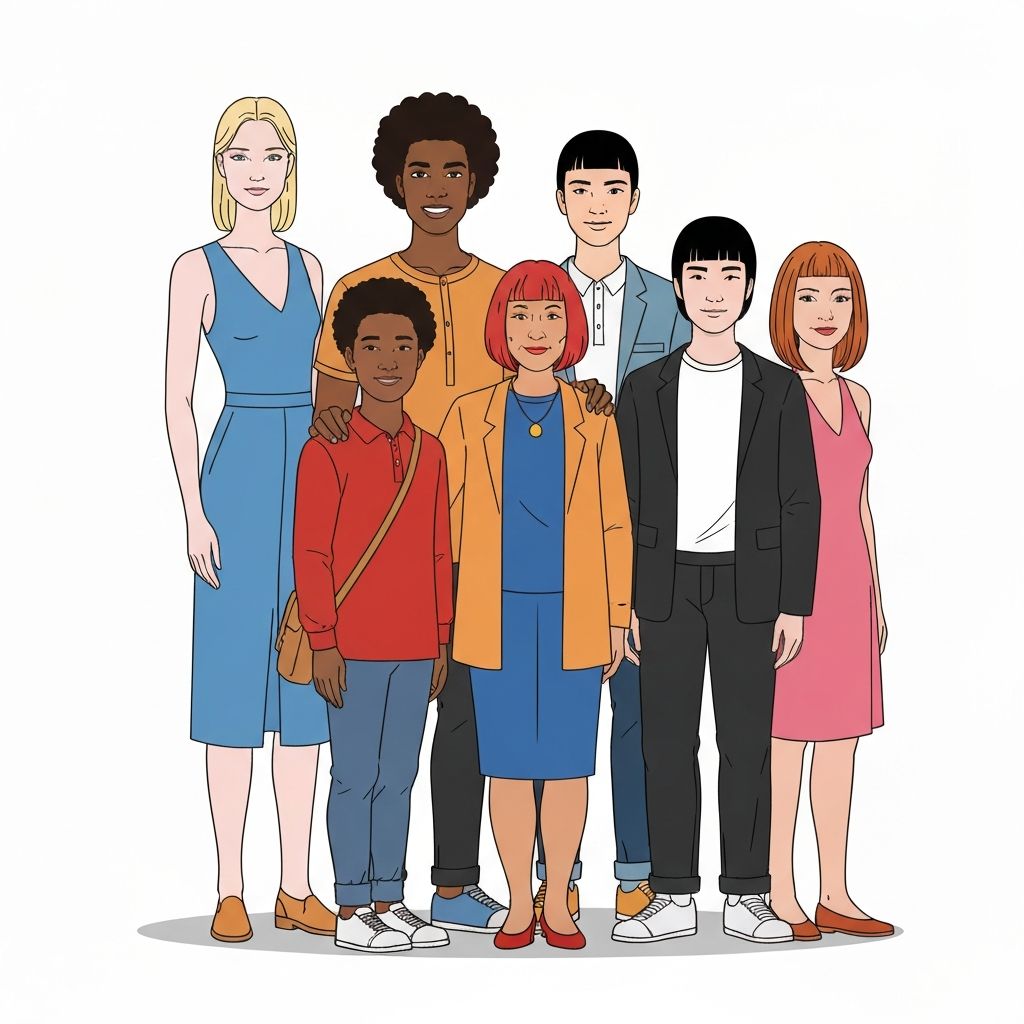
We Are All Unique
Every individual is different, even within the same species
A species is a group of organisms that can interbreed to produce fertile offspring. For example, all humans belong to the same species (Homo sapiens) because we can have children together who can also have children. However, a horse and a donkey can mate to produce a mule, but mules are infertile, so horses and donkeys are different species.
Intraspecific Variation
Even within the same species, no two individuals are identical (except identical twins). Intraspecific variation refers to the differences between members of the same species. Think about how humans vary: different heights, eye colors, skin tones, and hair types. The same is true for all species, from dogs to oak trees.
Types of Variation
Continuous Variation
Continuous variation produces a range of values with no distinct categories. Examples include height, weight, hand span, and skin color. These traits are usually controlled by multiple genes and influenced by the environment. When you plot them on a graph, you get a bell curve (normal distribution).
Discontinuous Variation
Discontinuous variation produces distinct categories with no in-between. Examples include blood type (A, B, AB, or O), ability to roll your tongue (yes or no), and attached or detached earlobes. These traits are usually controlled by a single gene and are not affected by the environment. When plotted, you get a bar chart with distinct groups.
What Causes Variation?
Variation comes from two main sources: genetic factors and environmental factors. Genes passed from parents create the gene pool, with different versions of genes called alleles. Environmental factors like diet, exercise, and climate also affect characteristics. For example, height is partly genetic, but nutrition during childhood also plays a role. This variation is essential for adaptation and natural selection, helping species survive changing conditions.
Continuous variation shows a smooth range of values. Most individuals cluster around the average (middle of the bell curve), with fewer at the extremes. This pattern occurs because multiple genes and environmental factors influence these traits.
Question:
Emma and her brother Jack have the same parents, but Emma is tall with brown eyes while Jack is shorter with blue eyes. Explain why siblings can look so different.
Answer:
Key Point: Siblings share about 50% of their DNA on average, which is why they have some similarities (same family features) but also many differences (unique combinations of alleles).
Eye Color